Common household pests—ants, cockroaches, rodents, termites, bed bugs and more—invade for food, water, warmth and nesting sites. Signs include trails, droppings, gnaw marks, mud tubes and blood spots. Homeowners can seal gaps, clean thoroughly and use baits, traps dust mites vs bed bugs, diatomaceous earth and targeted insect growth regulators. Professionals locate entry points, apply targeted treatments, perform exclusion work and monitor results to prevent reinfestation. Continue for practical tips, treatment options and when to call a pro.

Common Household Pests and Why They Invade
Why do ants, cockroaches, rodents, and other pests repeatedly appear in homes? The answer lies in resources, shelter, and opportunity igreenasia. Pests seek food, water, and nesting sites; human structures supply predictable warmth, hidden voids, and waste.
Seasonal shifts drive movement from outdoors to indoors. Structural gaps, clutter, and unmanaged landscaping create easy access. Some species follow scent trails or social cues, ensuring rapid colonization once an entry point is found.
Reproductive strategies — high fecundity, rapid maturation — enable swift population rebounds if controls lapse. Human behaviors, such as improper storage and delayed maintenance, amplify vulnerability.
Understanding these motivators empowers occupants to reduce attractants and limit avenues for infestation, preserving autonomy over one’s living space.
How to Spot Infestations: Ants, Roaches, Rodents, Termites, Bed Bugs
Having identified why pests are drawn to homes, attention turns to recognizing signs of active infestations. Ants reveal trails, concentrated activity near food, and small soil piles by wall voids.
Roaches appear as droppings, egg cases, greasy smear marks, and nocturnal movement in kitchens and bathrooms.
Rodent presence shows gnawed materials, droppings, nesting shredded paper or fabric, and sounds in walls or attics.
Termites are indicated by mud tubes along foundations, discarded wings near windowsills, hollow-sounding wood, and frass resembling sawdust.
Bed bugs produce small blood spots on bedding, dark fecal specks, shed skins, and clustered bites on exposed skin.
Observing these clear, specific indicators enables timely engagement of professional assessment and targeted interventions.
Quick Prevention Steps You Can Do Today
Although pests exploit small openings and easy food sources, homeowners can take several immediate, practical steps to reduce risk. They seal gaps around doors, windows, and pipes with caulk or weatherstripping, keeping entry points minimal.
Regularly cleaning counters, sweeping floors, and storing food in airtight containers removes easy sustenance. Trash is secured in lidded bins and removed promptly to deny pests breeding sites.
Yard maintenance—mowing, removing debris, and trimming plants away from the house—reduces shelter for rodents and insects. Fixing leaky faucets and clearing clogged drains eliminates moisture that attracts many pests.
Inspecting incoming items like boxes and used furniture prevents inadvertent introductions. These straightforward actions empower homeowners to protect their property and maintain control without waiting for professional intervention.
Home-Safe Treatments for Each Pest Type
After implementing basic prevention steps, homeowners can apply targeted, home-safe treatments tailored to common pests.
For ants, bait stations placed along trails and diatomaceous earth in entry points control colonies without heavy sprays.
For cockroaches, gel baits and sealed bait stations reduce populations; thorough sanitation limits attractants.
For rodents, snap traps and enclosed mechanical traps, paired with sealed entry repairs, remove pests while avoiding widespread poisons.
For fleas and ticks, vacuuming, washing bedding at high temperatures, and targeted borate or insect growth regulator treatments interrupt life cycles.
For spiders and pantry pests, sticky traps, airtight food containers, and periodic perimeter vacuuming limit habitat.
These measures prioritize autonomy, low-toxicity tools, and simple maintenance to keep homes free and independent.
When to Call a Pest-Control Professional and What to Expect
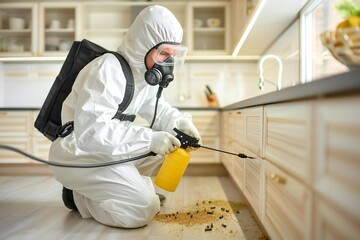
When infestations persist despite home-safe measures, expand rapidly, or pose health or structural risks, a licensed pest-control professional should be engaged. A technician assesses entry points, species, and infestation extent, then explains options, expected outcomes, and timelines.
Homeowners who value autonomy receive clear choices: targeted treatments, exclusion work, or ongoing monitoring plans. Professionals provide safety protocols, preparations, and post-treatment guidance to minimize disruption and protect occupants and pets.
Estimates include costs, warranty terms, and follow-up intervals. During treatment, technicians use industry-grade methods tailored to the situation, documenting chemicals or traps used.
After service, inspections confirm effectiveness and recommend preventative measures to reduce future dependence. Engaging a reputable, licensed provider restores control and preserves health, property, and peace of mind.
Conclusion
Common household pests—ants, roaches, rodents, termites, bed bugs—seek food, shelter, and moisture, exploiting small weaknesses in homes. Early detection, basic sanitation, and targeted home-safe treatments can reduce encounters, but persistent or widespread infestations often require professional intervention. Residential pest control combines inspection, exclusion, and tailored treatments to address root causes and prevent recurrence. Homeowners benefit most by practicing prevention, monitoring, and engaging licensed technicians when infestations exceed DIY limits.
…