
Post-surgery rehabilitation plays a crucial role in expediting recovery and alleviating pain for individuals undergoing surgical procedures post surgery rehab. By focusing on targeted exercises, pain management techniques, and improving mobility, post-surgery rehab not only accelerates the healing process but also enhances long-term outcomes.
Understanding the significance of post-surgery rehab can empower individuals to take control of their recovery journey and optimize their overall well-being.

Importance of Post-Surgery Rehab
The importance of post-surgery rehab cannot be overstated in facilitating optimal recovery and pain management for patients rehabbee. Following a surgical procedure, engaging in a structured rehabilitation program plays a pivotal role in restoring mobility, strength, and function. Rehab helps prevent complications such as muscle atrophy, joint stiffness, and decreased range of motion, which are common after surgery. By participating in rehab, patients can expedite their recovery process, allowing them to return to their daily activities sooner.
Moreover, post-surgery rehab aids in reducing pain and discomfort associated with the surgical procedure. Through targeted exercises, manual therapy, and other interventions, rehab helps alleviate post-operative pain, swelling, and inflammation. This not only enhances the patient’s overall comfort but also contributes to a smoother recovery journey.
Furthermore, post-surgery rehab empowers patients by giving them a sense of control and involvement in their healing process. It provides education on proper body mechanics, self-care strategies, and gradual progression of activities, enabling individuals to actively participate in their recovery and regain independence. Ultimately, prioritizing post-surgery rehab sets the foundation for a successful and fulfilling recovery experience.
Accelerating Recovery Through Rehab
Accelerating recovery through rehab involves actively engaging patients in a structured program that focuses on restoring mobility and function post-surgery. By incorporating a tailored regimen of exercises, stretching, and strengthening techniques, rehab aims to expedite the healing process and enhance overall recovery outcomes. This approach empowers individuals to regain independence and resume their daily activities swiftly, fostering a sense of freedom and autonomy.
Rehabilitation specialists work closely with patients to set achievable goals and track progress, ensuring that each individual receives personalized care and attention. Through consistent participation in rehab sessions, patients can experience significant improvements in strength, flexibility, and range of motion, leading to a quicker return to normal functioning.
Moreover, rehab plays a vital role in reducing pain and discomfort following surgery by promoting proper healing and preventing complications. By actively engaging in rehab exercises and therapies, patients can minimize the risk of post-operative issues and expedite the recovery timeline, ultimately allowing them to reclaim their freedom of movement and enjoy a faster return to a pain-free lifestyle.
Pain Management Strategies in Rehab
Effective pain management strategies in post-surgery rehab are crucial for enhancing recovery outcomes and promoting a smooth rehabilitation process. Pain following surgery can hinder progress and impact the quality of life during the recovery period. To address this, rehab facilities often employ a combination of pharmacological and non-pharmacological interventions tailored to individual needs. Medications such as nonsteroidal anti-inflammatory drugs (NSAIDs) or opioids may be prescribed for pain relief, but these are often complemented with physical therapy, acupuncture, massage, or relaxation techniques to manage discomfort effectively.
Furthermore, education plays a vital role in empowering patients to understand their pain levels, triggers, and coping mechanisms. By equipping individuals with knowledge about their condition and available pain management options, rehab facilities enable patients to actively participate in their recovery journey. Additionally, maintaining open communication with healthcare providers allows for timely adjustments to the pain management plan, ensuring that discomfort is addressed promptly and effectively.
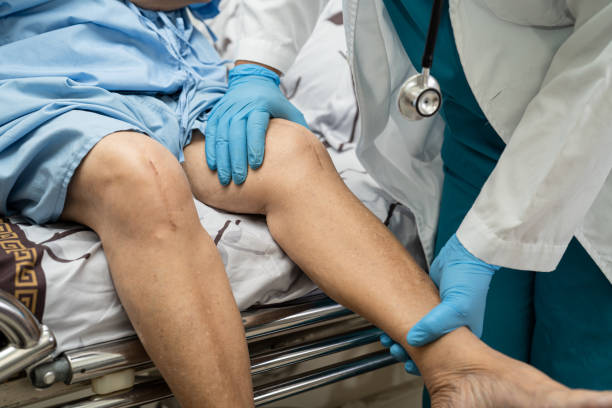
Enhancing Mobility and Function
To optimize post-surgery recovery and minimize discomfort, focusing on improving mobility and function is paramount. Enhancing mobility after surgery plays a crucial role in restoring independence and quality of life. Physical therapy exercises, such as stretching and strengthening routines, aid in regaining flexibility and muscle strength. These exercises are tailored to individual needs, gradually increasing in intensity to promote healing without causing harm.
Functional activities like walking, climbing stairs, and reaching for items are incorporated to simulate real-life movements and improve coordination. Assistive devices like canes or walkers may be utilized initially to support mobility. As progress is made, these aids are gradually phased out to encourage independent movement.
Long-Term Benefits of Post-Surgery Rehab
Post-surgery rehab continues to provide lasting benefits by promoting sustained improvements in mobility and function over an extended period. Patients who engage in post-surgery rehabilitation often experience not only immediate relief but also long-term advantages. By participating in structured exercise programs and rehabilitation protocols, individuals can maintain and even enhance their range of motion, strength, and overall physical capabilities in the months and years following surgery.
One of the key long-term benefits of post-surgery rehab is the prevention of future complications. By strengthening the muscles around the surgical site and improving flexibility, patients can reduce the risk of developing secondary issues or experiencing a relapse of their initial condition. Additionally, post-surgery rehab helps individuals regain independence in their daily activities, allowing them to resume their normal routines with confidence and ease.
Incorporating post-surgery rehab into a recovery plan not only accelerates healing and minimizes pain but also sets the foundation for a healthier and more active lifestyle in the long run. By committing to rehabilitation exercises and therapies, patients can enjoy sustained mobility, function, and overall well-being for years to come.
Conclusion
In conclusion, post-surgery rehab plays a crucial role in accelerating recovery, reducing pain, improving mobility, and enhancing overall function.
By following a structured rehabilitation program, patients can experience long-term benefits and improve their quality of life.
It is essential to prioritize post-surgery rehab to optimize the healing process and ensure a successful recovery outcome.