
In the realm of veterinary care, the utilization of advanced diagnostic tools such as X-rays, ultrasounds, and blood tests plays a crucial role in identifying and treating various health issues in pets.
This article delves into the significance of these diagnostic methods https://starlight-vet.com/, offering insights into their individual benefits and the advantages of employing a combination of these approaches in veterinary medicine.
Stay informed and empowered in making informed decisions regarding your pet’s healthcare needs.
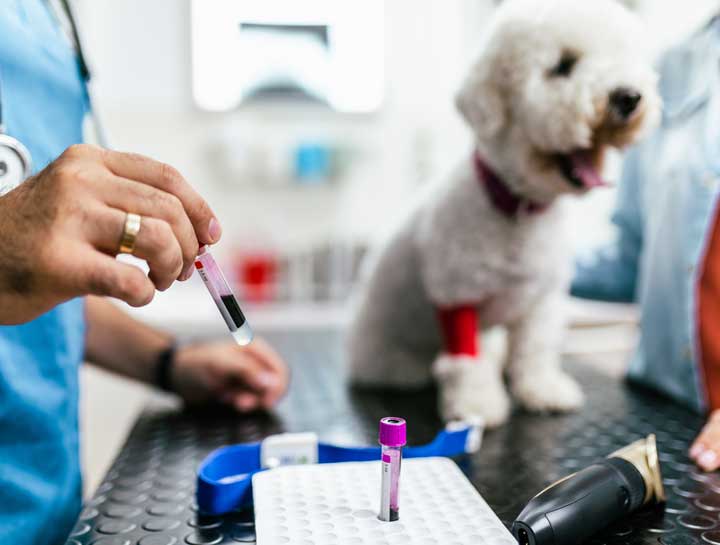
Importance of Advanced Pet Diagnostics
Why are advanced pet diagnostics crucial for veterinary care?
Advanced pet diagnostics play a pivotal role in ensuring the well-being of our furry companions. Through tools like X-rays Starlight veterinary medical centre, ultrasounds, and blood tests, veterinarians can accurately diagnose various health conditions in pets.
These advanced diagnostic techniques enable veterinarians to detect issues that may not be visible through physical examinations alone, allowing for early intervention and treatment. By utilizing advanced pet diagnostics, veterinarians can provide more targeted and effective care, leading to better outcomes for pets.
Investing in advanced diagnostics ultimately leads to improved quality of life for our beloved animals, emphasizing the importance of incorporating these techniques into routine veterinary care.
Understanding X-rays for Pets
X-rays are a valuable imaging tool used in veterinary care to provide detailed insights into the internal structures of pets. These images allow veterinarians to visualize bones, organs, and tissues, aiding in the diagnosis of various conditions such as fractures, tumors, and foreign objects.
X-rays are non-invasive and relatively quick, making them a practical option for evaluating injuries and illnesses in pets. Additionally, they can be crucial in monitoring the progression of certain diseases or the healing process post-surgery. While X-rays use low levels of radiation, the benefits of the information gained often outweigh the minimal risks.
Understanding the role of X-rays in veterinary medicine empowers pet owners to make informed decisions regarding their furry companions’ healthcare.
Utilizing Ultrasounds in Veterinary Medicine
In veterinary medicine, the utilization of ultrasounds provides veterinarians with a non-invasive imaging technique that offers detailed insights into the internal structures of pets, complementing the information obtained from X-rays. Ultrasounds use sound waves to create real-time images of organs, tissues, and blood flow within an animal’s body.
This imaging modality is particularly valuable for evaluating soft tissues like the liver, kidneys, and heart. Veterinary professionals rely on ultrasounds to diagnose conditions such as tumors, cysts, pregnancies, and abnormalities in organ size or function. Additionally, ultrasounds enable veterinarians to guide procedures such as biopsies or fluid aspiration with precision.

Insight Into Blood Tests for Pets
Blood tests play a crucial role in veterinary diagnostics, providing veterinarians with valuable insights into the health and wellness of their animal patients. These tests can reveal information about organ function, detect infections, assess for anemia, and monitor chronic conditions such as diabetes or kidney disease.
Blood tests in pets typically involve measuring levels of various blood cells, enzymes, proteins, and other substances that can indicate underlying health issues. Additionally, they help veterinarians tailor treatment plans, track the progress of therapies, and detect potential health concerns before they become serious.
Regular blood testing is essential for maintaining the overall well-being of pets and ensuring early intervention when necessary, ultimately leading to better outcomes and improved quality of life.
Benefits of Combined Diagnostic Approaches
Utilizing a comprehensive combination of diagnostic approaches enhances the accuracy and efficacy of veterinary assessments for pets’ health conditions.
By integrating X-rays, ultrasounds, and blood tests, veterinarians can obtain a more holistic view of the pet’s internal health. X-rays provide detailed images of bones and internal organs, aiding in the detection of fractures, tumors, or foreign objects.
Ultrasounds offer real-time visualization of soft tissues, organs, and blood flow, assisting in diagnosing conditions like heart disease or abdominal abnormalities.
Blood tests reveal valuable insights into the pet’s overall health, indicating organ function, detecting infections, and monitoring chronic conditions.
Together, these diagnostic tools complement each other, enabling veterinarians to make well-informed decisions and provide optimal care for pets.
Conclusion
In conclusion, advanced pet diagnostics such as x-rays, ultrasounds, and blood tests play a crucial role in veterinary medicine. These diagnostic tools provide valuable information about the health status of pets, aiding veterinarians in making accurate diagnoses and developing effective treatment plans.
By utilizing a combination of these diagnostic approaches, veterinarians can ensure comprehensive and thorough evaluations of pets, ultimately leading to improved outcomes and better overall care.