
Material testing serves as the cornerstone of green building practices, underpinning the very essence of sustainability in construction. By meticulously evaluating the properties and performance of materials, professionals in the industry can make informed decisions that resonate with environmental consciousness sieve test. The results of these tests not only dictate the structural integrity of buildings but also have far-reaching implications on resource efficiency and waste reduction. However, the true impact and potential of material testing in green building extend beyond these fundamental aspects, offering a glimpse into a realm where innovation meets eco-conscious design, promising a future where sustainability is not just a choice but a necessity.
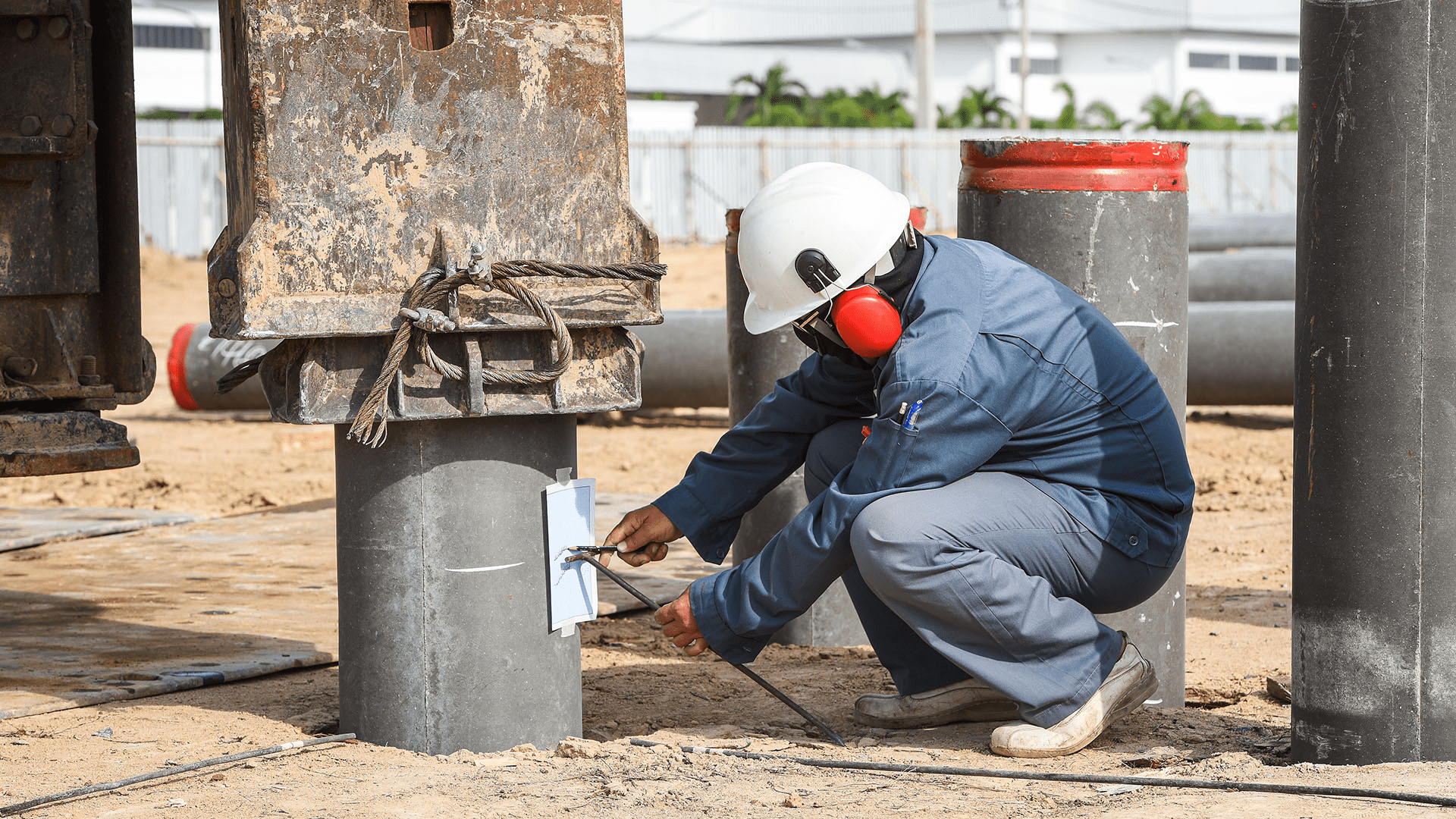
Importance of Material Testing
Material testing plays a crucial role in ensuring the quality and performance of construction materials used in green building projects concrete sieve test. By subjecting materials to various tests, such as strength, durability, and thermal conductivity assessments, builders can verify that the materials meet the required standards for sustainability and efficiency.
These tests help in identifying potential weaknesses or defects in materials that could compromise the integrity of the building or its environmental performance. Additionally, material testing allows for the comparison of different materials to determine which ones are best suited for specific green building applications.
Ensuring that construction materials are rigorously tested and meet established criteria is essential for achieving the desired energy efficiency, durability, and overall sustainability goals of a green building project. Ultimately, material testing provides the necessary assurance that the selected materials will perform as expected and contribute to the overall success of the green building endeavor.
Types of Material Tests
Material testing in green building encompasses various types of tests aimed at ensuring the quality and sustainability of materials.
These tests include strength testing methods to assess structural integrity, durability assessment techniques to evaluate long-term performance, and environmental impact analysis to determine the ecological footprint of materials used.
Each type of material test plays a crucial role in promoting the use of environmentally-friendly and durable materials in green construction projects.
Strength Testing Methods
Various techniques are utilized in green building projects to assess the strength of materials, ensuring structural integrity and safety.
One common method is tensile testing, which measures the material’s resistance to being pulled apart.
Compression testing evaluates how well a material withstands being squeezed or compressed.
Flexural testing assesses a material’s strength when subjected to bending forces.
Shear testing determines a material’s resistance to forces that cause parts of it to slide in opposite directions.
Impact testing measures how well a material can absorb sudden shocks.
These strength testing methods provide valuable data for architects, engineers, and builders to make informed decisions in green building projects, ensuring sustainability and longevity.
Durability Assessment Techniques
Durability assessment techniques in green building projects encompass a range of material tests designed to evaluate the long-term performance and resilience of construction materials. These techniques include accelerated aging tests, weathering simulations, freeze-thaw experiments, corrosion assessments, and mechanical strength evaluations.
Accelerated aging tests subject materials to harsh conditions, such as high temperatures and humidity, to predict their long-term behavior in a shorter time frame. Weathering simulations replicate natural environmental conditions to assess how materials will withstand exposure over time. Freeze-thaw experiments evaluate a material’s ability to endure cyclic freezing and thawing without deteriorating.
Corrosion assessments determine a material’s resistance to chemical reactions that can lead to degradation. Mechanical strength evaluations test a material’s structural integrity under various loads, ensuring its durability in real-world applications.
Environmental Impact Analysis
To comprehensively evaluate the environmental impact of construction materials, a series of specialized tests are conducted to analyze their sustainability and resilience within green building projects.
Environmental impact analysis involves various types of material tests to assess factors such as embodied energy, carbon footprint, life cycle assessment, and recyclability.
Embodied energy evaluates the total energy consumed in the production, transportation, and disposal of a material. Carbon footprint analysis measures the amount of greenhouse gas emissions associated with a material throughout its life cycle.
Life cycle assessment considers the environmental impacts of a material from cradle to grave. Recyclability testing determines the potential for a material to be recycled at the end of its useful life, promoting a circular economy within green construction practices.
Benefits of Sustainable Materials
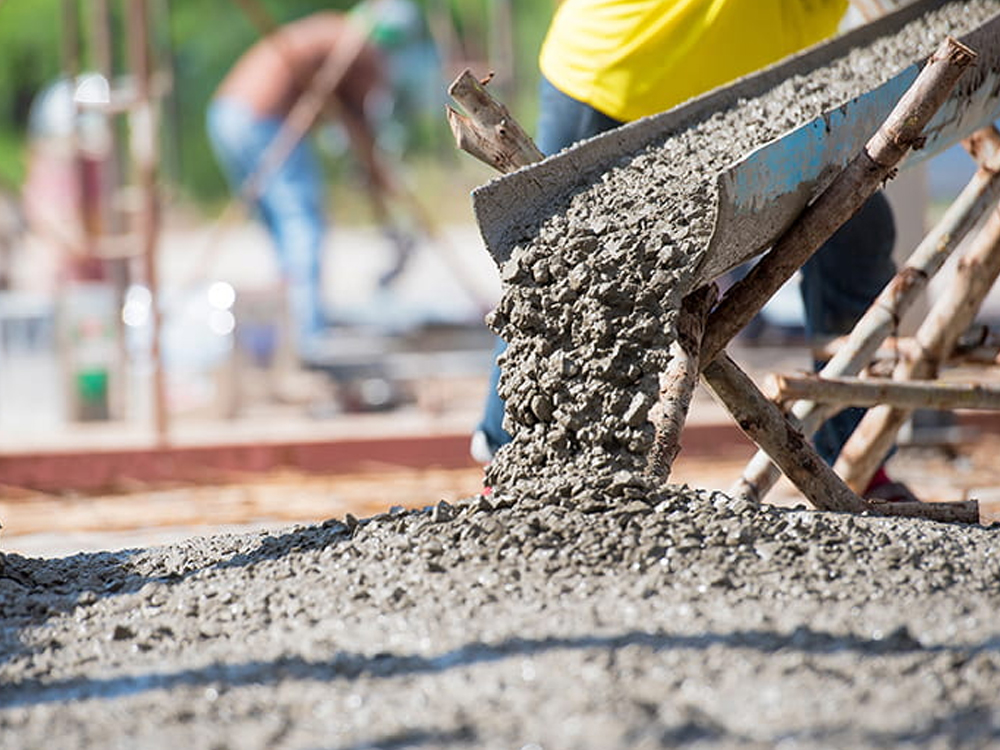
Sustainable materials offer a range of benefits that align with green building principles, such as reduced environmental impact, energy efficiency, and healthier indoor air quality. These materials often have lower embodied energy, contribute to resource conservation, and promote sustainable practices throughout their lifecycle.
In addition, sustainable materials can enhance a building’s overall performance and durability, providing long-term cost savings and a more resilient built environment.
Eco-Friendly Material Advantages
Utilizing eco-friendly materials in construction offers a range of environmental benefits and can contribute significantly to sustainable building practices. Sustainable materials, such as reclaimed wood, recycled metal, bamboo, and cork, help reduce the depletion of natural resources and minimize waste generation. These materials often have lower embodied energy, meaning they require less energy to produce, further reducing environmental impact.
Additionally, eco-friendly materials promote better indoor air quality by emitting fewer harmful substances, creating healthier living and working environments. By choosing sustainable materials, builders can mitigate the carbon footprint of construction projects and support a more environmentally responsible industry.
Incorporating these materials into construction aligns with the principles of green building, fostering a more sustainable future for generations to come.
Green Building Material Benefits
Incorporating sustainable materials into construction projects not only promotes environmental responsibility but also provides numerous benefits for green building practices. Sustainable materials offer improved energy efficiency, leading to reduced operational costs over the building’s lifespan. These materials often have lower embodied carbon footprints, contributing to a decrease in greenhouse gas emissions.
Additionally, sustainable materials promote better indoor air quality, creating healthier living and working environments for occupants. They are also known for their durability, requiring less maintenance and replacement, which ultimately saves resources and reduces waste. Furthermore, using green building materials can enhance the overall market value of a property, appealing to environmentally conscious buyers and tenants.
Impact on Energy Efficiency
Efficient material testing plays a crucial role in optimizing energy consumption within green buildings. By rigorously assessing the performance of materials used in construction, such as insulation, windows, and roofing systems, testers can determine their thermal resistance, air leakage rates, and overall energy efficiency. These evaluations help architects and builders select the most suitable materials that contribute to the building’s energy efficiency goals.
Material testing also aids in identifying potential weak points in the building envelope that could lead to energy loss. Through tests like blower door tests and thermal imaging, testers can pinpoint areas of heat transfer or air infiltration, allowing for targeted improvements to enhance the building’s overall energy performance.
Moreover, material testing ensures that energy-efficient materials maintain their performance over time. By subjecting materials to various stress tests and environmental simulations, testers can predict how well they will withstand different conditions, helping to prolong the building’s energy efficiency and sustainability.
Role in Waste Reduction
How does material testing contribute to waste reduction in green building practices?
Material testing plays a crucial role in waste reduction by ensuring that construction materials are of high quality and meet specified standards. By testing materials before they are used in building projects, potential defects or issues can be identified early on, preventing the need for materials to be discarded later due to failure or non-compliance. This proactive approach helps to minimize waste generation during the construction process.
Furthermore, material testing can also help optimize material usage, ensuring that the right amount of materials is being used for each specific application. By accurately determining the strength, durability, and other properties of materials through testing, builders can avoid overordering materials, thus reducing excess waste. Additionally, by selecting materials based on their performance characteristics tested in controlled environments, the likelihood of material failure during construction is minimized, leading to further waste reduction.
Ensuring Structural Integrity
Ensuring the structural integrity of a building is paramount in green construction practices to guarantee safety and longevity. Structural integrity refers to the ability of a structure to withstand its intended loads and remain stable over time. In green building, this concept is even more critical as sustainable structures aim to minimize environmental impact throughout their lifecycle.
To ensure structural integrity, material testing plays a crucial role. Testing materials for their strength, durability, and performance under various conditions is essential in green construction. Engineers and architects rely on these tests to select the most suitable materials that meet both environmental standards and structural requirements.
Common tests include assessing the compressive strength of concrete, tensile strength of steel, and load-bearing capacity of wood. Additionally, advanced testing methods such as non-destructive testing help identify potential weaknesses without causing damage to the structure. By prioritizing structural integrity through material testing, green buildings can not only enhance safety but also contribute to a more sustainable built environment.
Compliance With Green Standards
In green building practices, adherence to specific environmental standards is imperative to ensure the sustainability and eco-friendliness of the constructed infrastructure. Green standards, such as LEED (Leadership in Energy and Environmental Design) and BREEAM (Building Research Establishment Environmental Assessment Method), provide guidelines for reducing the environmental impact of buildings throughout their lifecycle.
Compliance with these standards involves using environmentally friendly materials, incorporating energy-efficient systems, managing water resources responsibly, and ensuring high indoor air quality. Material testing plays a crucial role in verifying that the materials used in construction meet the required green standards. This testing ensures that the materials are non-toxic, energy-efficient, durable, and sourced sustainably.
Innovation in Eco-Friendly Design
Building upon the principles of green standards, the evolution of eco-friendly design is driving innovative approaches towards sustainable construction practices. In the realm of eco-friendly design, advancements are being made to minimize environmental impact while maximizing efficiency and functionality. One key area of innovation lies in the use of sustainable materials such as reclaimed wood, recycled plastics, and renewable resources like bamboo. These materials not only reduce the carbon footprint of construction but also promote a circular economy by reusing resources that would otherwise go to waste.
Furthermore, innovative design strategies are being employed to enhance energy efficiency and reduce overall consumption. Features like passive solar design, green roofs, and natural ventilation systems are increasingly being integrated into building plans to harness renewable energy sources and decrease reliance on traditional heating and cooling methods. Additionally, the incorporation of smart technologies, such as sensor-based lighting systems and energy-efficient appliances, is revolutionizing how buildings are designed and operated to minimize energy consumption and environmental impact. As the field of eco-friendly design continues to evolve, the focus on innovation remains paramount in creating sustainable built environments for future generations.
Conclusion
In conclusion, material testing plays a critical role in green building by ensuring the quality, performance, and sustainability compliance of construction materials.
Through various tests, weaknesses and defects are identified, allowing for the selection of materials best suited for green building applications.
This process contributes to achieving energy efficiency, durability, and overall sustainability goals in construction projects, ultimately promoting environmentally friendly practices in the built environment.