
When it comes to corporate training, the venue you select can significantly impact the success of your program. The environment in which training takes place can influence the engagement and productivity of participants. Factors such as location venue rental Singapore, facilities, technology, and layout all play crucial roles in creating an effective learning atmosphere. However, beyond these obvious considerations lies a deeper layer of intricacies that can truly make a venue stand out and elevate the training experience. Considerations such as acoustics, ambiance, and additional support services can be the defining factors that transform a standard training session into an exceptional one.

Importance of Venue Selection
Selecting the appropriate training venue is a critical aspect of corporate training programs as it directly impacts the effectiveness and success of the learning experience. The venue serves as the backdrop for the training sessions Ask Venue, setting the tone for the entire program. An ideal venue should cater to the specific needs of the training program, providing a comfortable and conducive environment for learning.
The venue selection process involves a thorough analysis of various factors such as the size of the space, layout options, technological capabilities, and amenities available. It is essential to consider the location of the venue in relation to where the participants are coming from to ensure accessibility and convenience. Additionally, factors like parking facilities, nearby accommodations, and dining options play a crucial role in enhancing the overall training experience.
Location Considerations
When evaluating location considerations for corporate training venues, assessing transportation accessibility is paramount to ensure participant convenience and attendance. Choosing a venue with easy access to major highways, public transportation, and airports can significantly reduce travel time and costs for attendees. Additionally, proximity to hotels and dining options is crucial for out-of-town participants, making their stay comfortable and stress-free.
Moreover, safety and security should not be overlooked when selecting a venue. Opting for locations in well-lit and low-crime areas can help attendees feel secure, especially when traveling alone or at night. Parking availability is also a key factor to consider, as ample parking spaces can prevent delays and frustration for participants.
Furthermore, considering the environmental impact of the location is becoming increasingly important for many organizations. Selecting venues that are easily accessible by public transport or have sustainable commuting options aligns with the values of companies focused on corporate social responsibility. By prioritizing transportation accessibility, safety, and environmental considerations, organizations can choose training venues that enhance the overall experience for participants while demonstrating a commitment to convenience and sustainability.
Facilities and Amenities
What essential facilities and amenities should corporate training venues prioritize to enhance the overall learning experience for participants?
Corporate training venues should prioritize facilities and amenities that promote a conducive learning environment. Adequate technological infrastructure, including high-speed internet access, audiovisual equipment, and technical support, is crucial for delivering effective training sessions. Comfortable seating arrangements with ergonomic furniture can help participants stay focused and engaged throughout the training. Temperature control systems to maintain a comfortable climate, good lighting, and soundproofing to minimize distractions are also essential considerations.
Moreover, having access to breakout areas for group discussions and networking can enhance collaboration among participants. Healthy catering options, such as nutritious snacks and beverages, are important to keep attendees energized and focused. Additionally, facilities with onsite parking or easy access to public transportation can improve convenience for participants. Lastly, amenities like restroom facilities, water stations, and designated smoking areas contribute to a pleasant training experience. By prioritizing these facilities and amenities, corporate training venues can create an optimal learning environment for participants.
Capacity and Layout
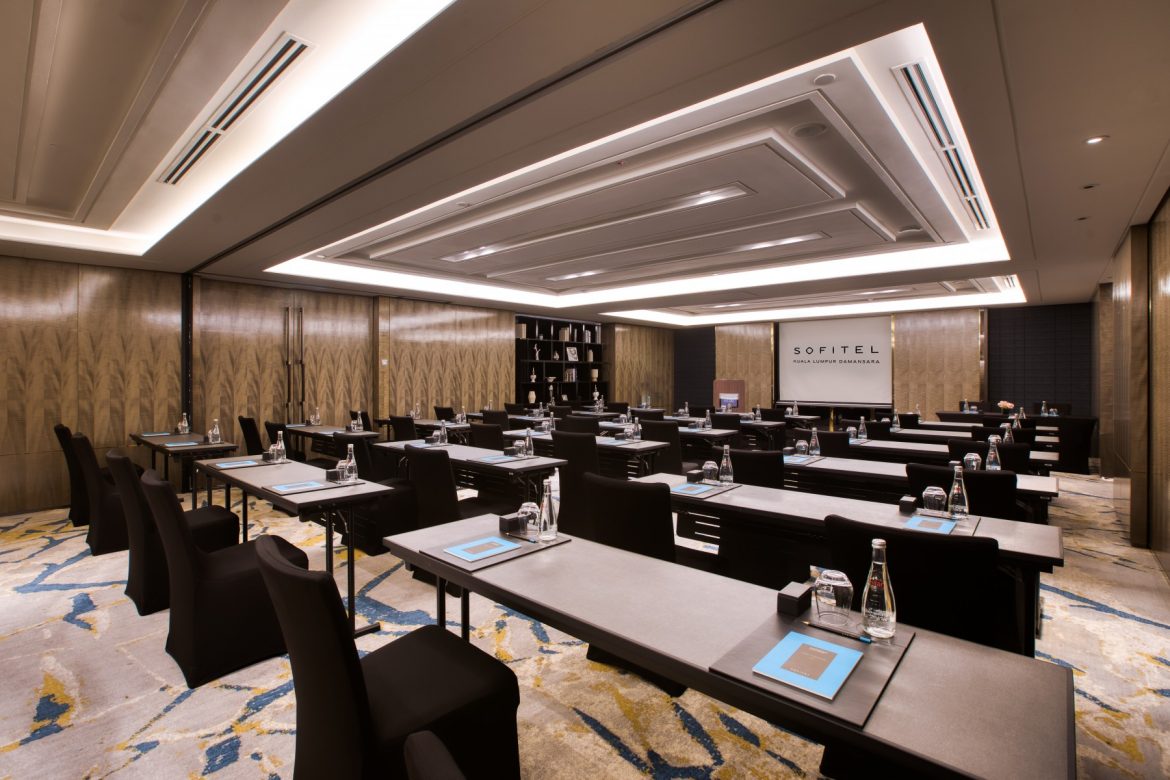
To optimize the functionality and efficiency of corporate training venues, careful consideration of capacity and layout is paramount. Capacity refers to the maximum number of participants the venue can accommodate comfortably. It’s essential to select a venue with ample space to ensure that attendees can move around freely without feeling cramped. The layout of the venue is equally important, as it can impact the flow of the training session. A well-designed layout should facilitate easy movement, visibility of presentation materials, and encourage interaction among participants.
When evaluating capacity, consider factors such as the number of participants expected, seating arrangements, and any additional space needed for activities or breakout sessions. The layout of the venue should be flexible enough to accommodate different types of training setups, such as classroom-style, theater-style, or U-shape.
Additionally, consider the location of amenities like restrooms, refreshment areas, and parking to ensure convenience for participants. By carefully assessing capacity and layout when selecting a corporate training venue, you can create an environment that promotes engagement, collaboration, and learning.
Technology and Equipment
Exploring the integration of cutting-edge technology and essential equipment is crucial in enhancing the effectiveness of corporate training venues. When selecting a venue, consider the availability and quality of technology such as audiovisual systems, projectors, screens, microphones, and high-speed internet connectivity. These elements are essential for delivering interactive presentations, virtual training sessions, and seamless communication during workshops or seminars.
Additionally, the versatility of the training venue’s equipment is paramount. Ensure that the space can accommodate various setups, from classroom-style arrangements to group discussions or hands-on practical sessions. Having adaptable furniture, such as movable tables and chairs, can facilitate different training formats and activities.
Moreover, technical support should not be overlooked. A venue with onsite technicians or easy access to technical assistance can quickly resolve any equipment malfunctions or connectivity issues, minimizing disruptions during training sessions.
Budget and Cost Analysis
When considering corporate training venues, understanding cost-saving strategies and effective budget allocation tips is crucial.
By carefully analyzing the budget and exploring ways to optimize spending, organizations can make informed decisions that align with their financial goals.
Implementing practical measures to maximize resources can lead to a successful and cost-effective training event.
Cost-Saving Strategies
Implementing a meticulous budget and conducting a thorough cost analysis are essential steps in developing effective cost-saving strategies for corporate training venues. To save costs, consider negotiating with venues for discounted rates, especially during off-peak seasons.
Opting for in-house training facilities can also be a budget-friendly alternative. Leveraging technology for virtual training sessions can significantly reduce expenses related to venue hire and travel. Additionally, bundling multiple training sessions or booking venues well in advance can often lead to volume discounts.
It’s crucial to track expenses closely and regularly reassess the budget to identify areas where further savings can be made. By adopting these cost-saving strategies, companies can maximize the value of their training programs while staying within budget.
Budget Allocation Tips
Conducting a comprehensive analysis of expenses is paramount when devising strategic budget allocation tips for corporate training venues.
To effectively manage costs, start by outlining all potential expenses, including venue rental fees, catering, materials, and any additional services required.
Prioritize expenditures based on their impact on the training program, allocating more budget to critical components such as high-quality trainers or interactive tools.
Consider negotiating with venues for package deals or discounts, and be open to exploring alternative options like virtual training to reduce costs.
Regularly review and adjust the budget as needed to stay within financial constraints while ensuring the training quality remains uncompromised.
Conclusion
In conclusion, selecting the right venue for corporate training is essential for creating a conducive learning environment. Factors such as location, facilities, capacity, technology, and budget all play a crucial role in determining the success of the training program.
By carefully considering these factors and choosing a venue that meets the program needs, organizations can ensure a successful and productive training experience for their employees.